Some days you show up and don’t fly:
Just like the old aviation quote, “Every takeoff is optional. Every landing is mandatory.” There is always a chance to make the call, that important decision can save lives and avoid catastrophic consequences. In the interest of safety, no flight is too important to depart. Daily pilots all over the world are required to make decisions that may not be pleasing to some passengers, but very crucial in the interest of safety. There are quite a lot of reasons why a planned departure can be cancelled, some of the reasons are; airplane malfunctions, weather factors, regulatory requirements, crew health issues, passengers health problems,diplomatic reasons,conflict zones just to mention a few. I’ll be sharing some thoughts and sighting some first hand experiences relating to showing up at the airport ready for a flight and not flying as planned and in some cases you are airborne and have to either return back to base or divert to a suitable alternate aerodrome.

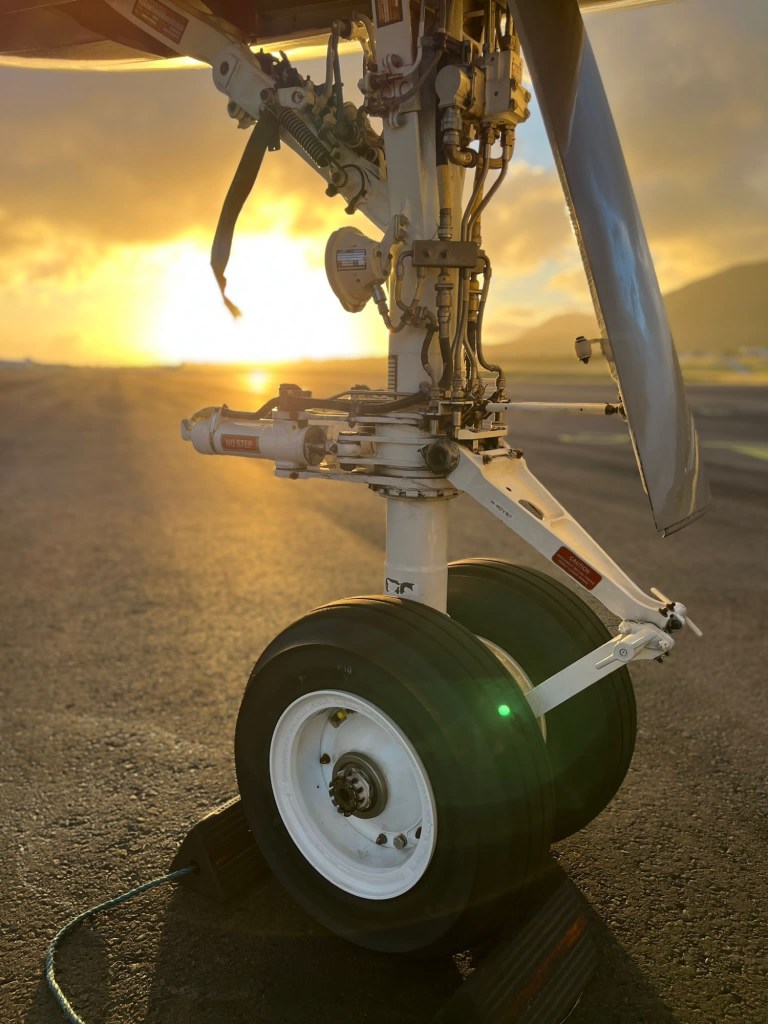
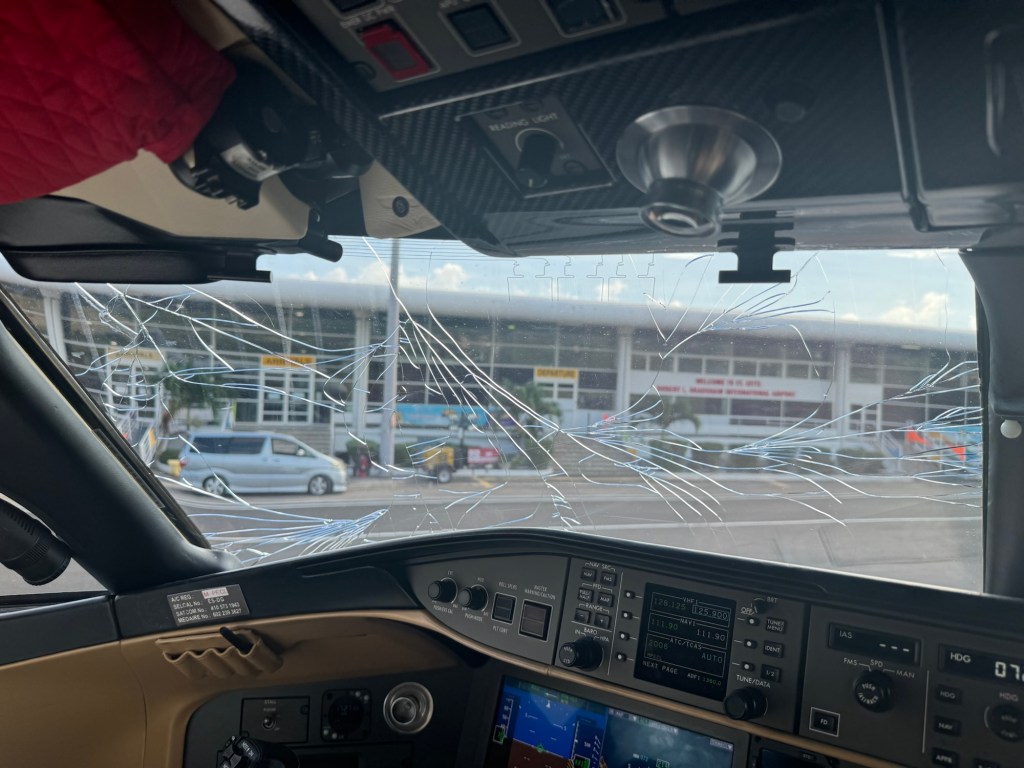
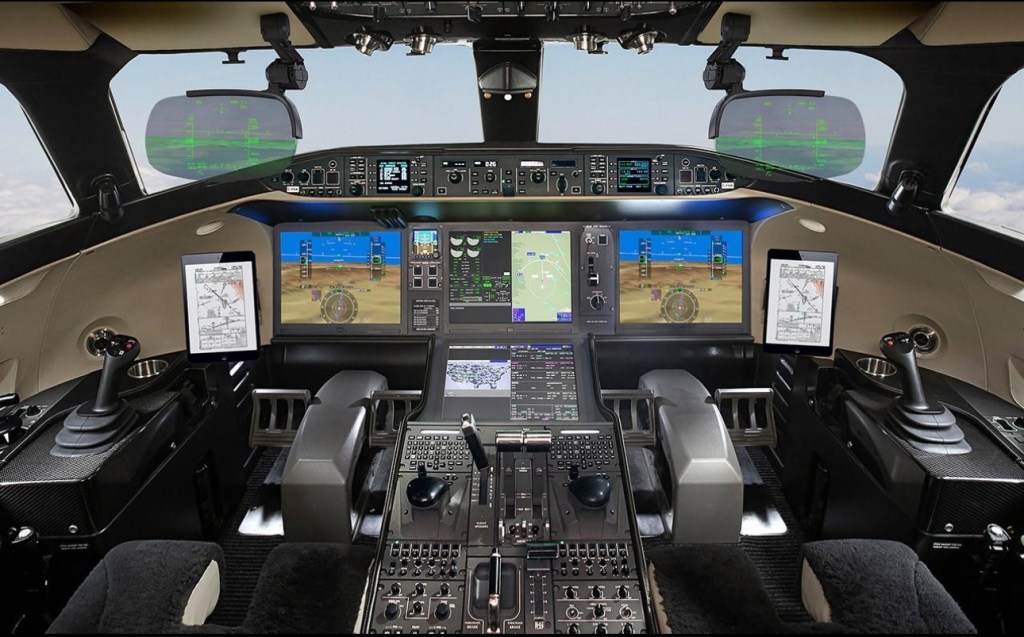
Airplanes are machines, and breakdown more often than people realize sometimes minor breakdowns are dealt with on the spot and in some cases the Manuals are consulted and the snag deferred if sufficient redundancy is available and allowed by the Minimum Equipment List. In other cases the airplane may require further troubleshooting, replacement parts and maintenance. With the Bombardier Global series, a complete shutdown and battery disconnection between 5-10mins have been an effective method to clear snag messages. If it’s a complete component failure, that reset procedure is ineffective and maintenance will be required. Weather can be another factor that can lead to a show up and no flight, the elements of weather can sometimes change so quickly and affect a planned departure. There are times when passengers delay and forecasted weather closes in and make departure or destination weather to drop below limits thereby leading to an outright flight cancellation.
Health and safety concerns leads to flight cancellations or airborne diversions. Like the machines, the human body can breakdown at unpredictable times and in aviation health is a crucial factor in operations. There is a popular acronym we use to check fitness to fly called IMSAFE checklist-Illness,Medication,Stress,Alcohol,Fatigue, and Emotion. If a crew-member shows up and unable to tick the checklist, that crew is unfit to fly and this can lead to a flight cancellation. There are instances where the passengers are unable to show up for planned departures as a result of not being to fly and in the corporate aviation sector, this can lead to an outright flight cancellation. One time during my charter operations phase, a charterer showed up so late that crew duty time was affected and we unfortunately had to cancel the flight. We didn’t have enough duty period to fly from Abuja to Lagos, it was an eventful night, but the regulations are there to protect everyone and must be adhered to. The lead passenger was visibly upset and made an alternative travel arrangements the following day.
Airborne returns and diversions are also common scenarios where you don’t arrive at your planned destination, return to your departure airport and this can be for several reasons. On my last flight on the Challenger 605 aircraft in 2021, I was flying out of Lagos to Abuja and on climb out we noticed the aircraft was having pressurization issues. We requested to stop climb at 9000ft and returned back to Lagos. Thankfully the VIP was understanding and didn’t make an issue of the situation. On another occasion in 2022 after flying for almost 7hours from Lagos to Dubai on the Global vision, diplomatic issues made the United Arab Emirates air traffic controllers refuse to accept our aircraft into their airspace. All overflight permits,landing rights, and required paperwork were secured prior to this flight, but the Saudi Arabia controllers were unable to hand us over to the next controllers. We had to pick up a hold close to the entry point for 45minutes, nothing changed. We diverted and landed in Riyadh as our fuel reduced, refueled our aircraft and commenced investigations as to why we were denied entry into their airspace. Long story short, it was diplomatic issues and we ended up flying to Muscat where alternative arrangements were in place to fly passengers to Dubai.
In conclusion, A pilot’s Aeronautic Decision Making (ADM) must be effective. The pilot in command must always put safety first when faced with making the critical decision. As an old pilot always said to me “No flight is compulsory” it is better to make the right decision and explain afterwards than fumble, escalate the problem,or worst case cause a catastrophic accident. In aviation,safety is everything and must always be priority.
Safe skies! Capt. CLC.















 Crew Lounge