Stick vs. Yoke Flying
My first encounter with the sidestick was in April 2016 during my FAA ATP-CTP training in Orlando, Florida. Before that, I had always been a solid yoke pilot, loyal to the tactile control it offers. That initial exposure to the Fly-by-Wire system was nothing short of mind-blowing. Flying the Airbus 320 full flight simulator gave me a taste of its sleekness and precision. However, despite the incredible experience, I had my reservations—ones that I’ll delve into as I share my insights.
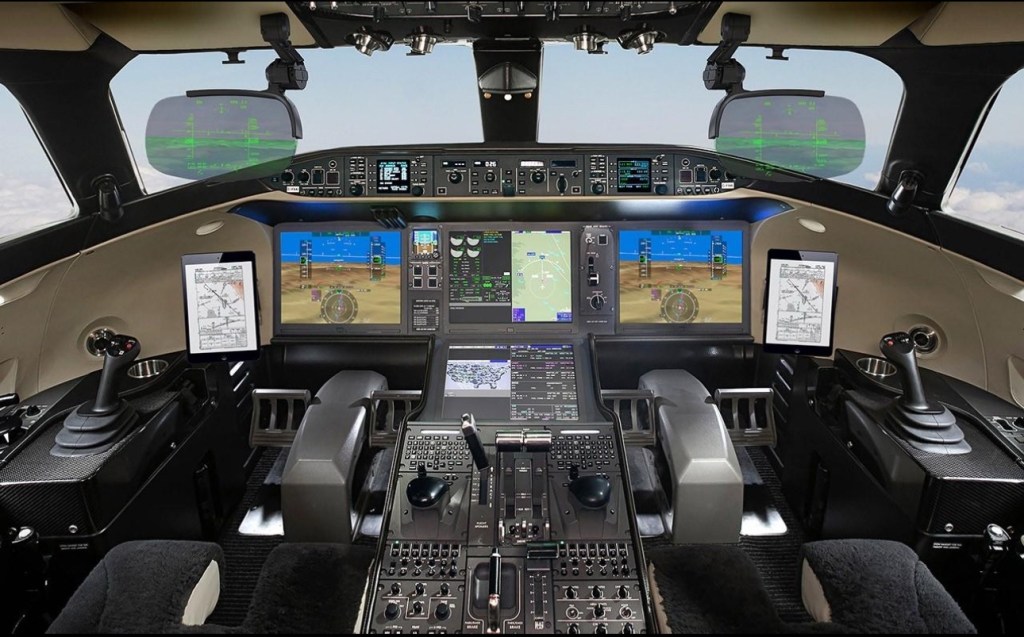
As pilots, many of us have found ourselves swept up in the Boeing vs. Airbus debate. Back in flight school, it was a hot topic of discussion. Personally, I was indifferent—an aspiring commercial pilot focused on building a career flying airplanes for compensation and hire. I even applied for bush flying jobs in Botswana early on, though fate had other plans (thankfully, I wasn’t hired).
After graduating, my career began with flying the Bombardier Challenger 604/605,a yoke-controlled airplane. Instinctively, I became a yoke pilot. The yoke’s tactile control resonated with me; it felt intuitive and allowed for precise maneuvering. However, the physical effort required—especially in turbulent conditions or during long flights—could be fatiguing.
Fast forward to May 2024, and I transitioned from the Global 6000 to the Global 7500. This marked my true initiation into sidestick flying—a dream come true. Though it took some adjustment, the Fly-by-Wire technology amazed me. The sidestick’s ergonomic design reduces pilot input fatigue during long-haul flights, enabling subtle attitude and trajectory adjustments with minimal effort.
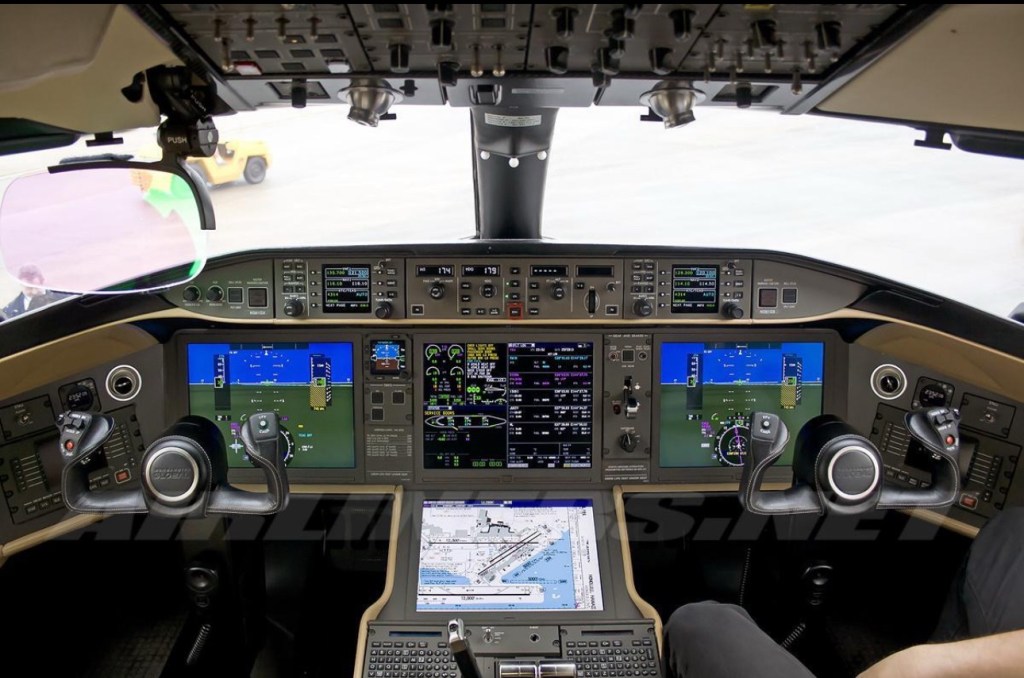
Each control system has unique advantages. The yoke fosters a visceral, connected experience, while the sidestick offers efficiency and reduced fatigue. Ultimately, it boils down to personal preference and adaptation. As pilots, the key lies in understanding these systems’ unique characteristics and mastering the techniques they demand.
For those transitioning between control systems, here are a few tips to ease the process:
Be patient and don’t get discouraged if it takes time to adjust. . Take your time to familiarize yourself with the new control system. . Practice and training are militant to developing the necessary skills and muscle memory. . Take your training very seriously, learn the theoretical part of the systems. It’ll develop your skills. Hopefully sharing my experience and insights is helpful to give perspective for pilots and aspiring pilots to understand the differences between sidestick and yoke and how you can enhance your flying skills and experience. Safe skies! Capt. CLC.
 Crew Lounge